
Why Multi-Step Forms Can Increase Conversions
Introduction 1.The Secret to Higher Conversions: Multi-Step Forms 2. What is a Multi-Step Form? 3. Benefits of Multi-Step Forms 4. Why Multi-Step Forms Can Increase Conversions 5. Single-Step vs. Multi-Step Forms: Which One Wins? 6. Common Pain Points & Solutions in Multi-Step Forms 7. How to Implement Multi-Step Forms on Your Website 8. Conclusion Why Multi-Step Forms Can Increase Conversions The Secret to Higher Conversions: Multi-Step Forms Imagine clicking on a form, excited to sign up, only to be met with an endless list of fields—frustrating, right? You’re not alone. Research shows that multi-step forms significantly improve conversion rates by making the process feel effortless. By dividing forms into smaller, digestible steps, users stay engaged and are more likely to complete them, leading to higher conversions. If your business relies on lead generation, sign-ups, or purchases, using a multi-step form can be a game-changer. Let’s explore what multi-step forms are, their benefits, and why they are so effective at boosting conversions. What is a Multi-Step Form? A multi-step form is a type of online form that divides user input fields into multiple sections or steps, rather than presenting all fields on a single page. Instead of overwhelming the user with a long list of fields, multi-step forms present a few questions at a time, making the process feel more manageable. These forms are commonly used for: Lead generation Contact forms E-commerce checkout processes Registration forms Surveys and feedback forms By guiding users through a structured and progressive input process, multi-step forms create a better user experience and reduce form abandonment rates. Benefits of Multi-Step Forms 1. Reduces User Overwhelm Long, complex forms can feel intimidating, leading to high abandonment rates. Multi-step forms break the process into smaller sections, making it feel less overwhelming. 2. Improves User Experience (UX) A well-designed multi-step form keeps users engaged by presenting information in an easy-to-digest format. Users are more likely to complete the form when they are guided through a logical progression of steps. 3. Increases Completion Rates Breaking down forms into steps encourages users to continue filling them out. Since they’ve already invested time in the first step, they are more likely to complete the process. 4. Captures Partial Data If users abandon the form halfway, businesses can still collect partial data (depending on implementation), allowing follow-ups and reducing lost leads. 5. Enhances Mobile Usability On mobile devices, scrolling through a long form can be frustrating. Multi-step forms present bite-sized sections, making it easier for mobile users to fill them out. 6. EAllows Personalization Multi-step forms enable businesses to personalize the form experience based on user responses. Conditional logic can be applied to show only relevant questions, making the form more efficient. 7. Improves Data Accuracy Since users fill out one section at a time, they are more likely to provide accurate and thoughtful responses rather than rushing through an intimidating, long-form layout. 8. Boosts Engagement A well-structured multi-step form creates a sense of progress, keeping users motivated to complete the process rather than dropping off midway. Why Multi-Step Forms Can Increase Conversions 1. Reduces Psychological Resistance Users feel less overwhelmed when they see fewer fields at once. Multi-step forms create a psychological perception that the process is quick and easy, encouraging higher completion rates. 2. Creates a Sense of Commitment Once users complete the first step, they feel invested in the process and are more likely to complete the rest of the form. 3. Builds Trust and Engagement Users are more likely to share personal information when it is requested gradually rather than all at once. This builds trust and increases the chances of conversion. 4. Allows Progressive Data Collection Businesses can collect the most critical information in the first step (such as name and email) before asking for more details. Even if users drop off later, valuable lead information is already captured. 5. Encourages Users with Visual Progress Indicators Including a progress bar or step indicator gives users a clear sense of how much of the form is left to complete. This motivates them to finish the process instead of abandoning it midway. 6. Reduces Form Abandonment Rates Since multi-step forms appear less intimidating, users are less likely to abandon them. Shorter, more manageable steps keep them engaged throughout the process. 7. Enhances Lead Nurturing Strategies With partial user data collected, businesses can re-engage users through email follow-ups, personalized offers, or remarketing campaigns to encourage them to complete the form. 8. Optimizes Conversions for Different Industries Multi-step forms are widely used across industries, including e-commerce, finance, healthcare, and education, to drive higher conversions by simplifying complex input processes. Single-Step vs. Multi-Step Forms: Which One Wins? Many businesses wonder whether they should use a single long-form or break it into steps. The answer depends on your goal. Why Compare? Single-step forms are direct and work well for short, simple requests. But when collecting more information, multi-step forms often outperform them. Let’s break down the differences: Factor Single-Step Forms (Good for Quick Tasks) Multi-Step Forms(Better for More Info) Purposes Provide general information Focuses on a single goal Multiple pages and links Navigation Single page, no distractions Conversion Rate 2-5% (average) 10-20% optimized Best For Brand awareness and credibility Lead generation When to Use Each? Use single-step forms for quick sign-ups, newsletter subscriptions, or simple contact forms. Use multi-step forms for lead generation, surveys, checkout processes, and applications where you need detailed input. Common Pain Points & Solutions in Multi-Step Forms Even well-designed multi-step forms can fail if they don’t prioritize user experience. Here are some common mistakes businesses make—and how to fix them. 🚨 Pain Point 1: Users Drop Off Midway One of the biggest challenges is users starting a form but never finishing it. ✅ Solution: Add a progress indicator to show users how far they’ve come. Collect key details (like name and email) in the first step to follow up if they abandon the form. Keep each step concise to avoid making users feel the process is too long. 🚨
Conversion Rate Optimization (CRO): A Complete Guide to Boosting Conversions
Introduction 1. Conversion Rate Optimization (CRO): A Complete Guide to Boosting Conversions 2. What is Conversion Rate Optimization (CRO)? 3.Understanding a Good Conversion Rate 4. How to Calculate Your Conversion Rate The formula to calculate conversion rate is: 5. How to Improve Conversions: 10 Best Conversion Rate Optimization Strategies 6. Why Are Conversion Rate Optimization Strategies Important? 8.Common CRO Mistakes to Avoid 9.Best CRO Tools to Use Google Analytics – 10. Conclusion Conversion Rate Optimization (CRO): A Complete Guide to Boosting Conversions Struggling to turn website visitors into customers? You’re not alone. The average website conversion rate is just 2.35%, meaning most visitors leave without taking action. That means out of 100 visitors, only 2 or 3 take the desired action—whether it’s making a purchase, signing up for a newsletter, or filling out a form. However, top-performing websites achieve conversion rates of 5-10% or higher. So, what separates a high-converting website from the rest? The answer lies in Conversion Rate Optimization (CRO). If you want to turn your website traffic into paying customers, this guide will walk you through what CRO is, why it matters, and the best strategies to improve your conversion rates. What is Conversion Rate Optimization (CRO)? Conversion Rate Optimization (CRO) is the process of analyzing user behavior and making data-driven improvements to increase the percentage of visitors who complete a desired action on your website. A conversion can be any key action, including: Purchasing a product Signing up for a free trial Downloading an eBook Filling out a contact form Clicking on a CTA button Instead of spending more money on ads to drive traffic, CRO focuses on optimizing existing traffic to maximize conversions. Understanding a Good Conversion Rate A good conversion rate varies depending on industry, business model, and target audience. On average, websites across industries see a 2.35% conversion rate, but top-performing businesses achieve 5-10% or more. Instead of settling for industry benchmarks, focus on continuous improvement. By implementing effective CRO strategies, you can surpass the average and achieve higher conversions. The key is to analyze user behavior, test different approaches, and refine your website to better meet visitor expectations. How to Calculate Your Conversion Rate The formula to calculate conversion rate is: Conversion Rate (%) = (Total Conversions / Total Visitors) × 100 Example: If your website gets 10,000 visitors per month and 200 people make a purchase, your conversion rate is (200 ÷ 10,000) × 100 = 2%. Tracking conversion rates with Google Analytics, Hotjar, and other CRO tools helps identify opportunities for improvement. How to Improve Conversions: 10 Best Conversion Rate Optimization Strategies Simplify Website Navigation If visitors struggle to find what they need, they’ll leave quickly. A clean, intuitive menu helps users navigate easily, reducing frustration and increasing engagement. Organize your site logically, limit menu options, and ensure every page is easy to reach. A well-structured website builds trust and keeps visitors exploring. Use a search bar, breadcrumb trails, and clear categories to improve accessibility. The smoother the experience, the higher the chances of turning visitors into customers. Create Compelling, Actionable CTAs Your call-to-action (CTA) should be impossible to ignore. Use bold, action-driven phrases like “Get Started Now” or “Claim Your Discount” to drive conversions. Ensure CTAs stand out visually with contrasting colors and strategic placement. Clear messaging makes a difference. Avoid vague terms like “Click Here” and focus on specific benefits. A/B test different button styles, text, and placements to find the most effective combination for engagement Use A/B Testing Don’t rely on guesswork—test different elements to see what works best. A/B testing helps compare headlines, images, layouts, and CTAs to determine the most effective combinations. Even minor tweaks can lead to noticeable improvements. Use data-driven insights to refine your approach. Tools like Google Optimize or Optimizely help track user behavior, ensuring you continuously optimize for higher conversions. Small changes can have a big impact over time. Improve Page Load Speed Slow websites frustrate users and drive them away. A one-second delay can reduce conversions by 7%. Compress images, enable caching, and minimize scripts to ensure your site loads in under three seconds. A fast site improves both user experience and search rankings. Google prioritizes quick-loading pages, helping attract more organic traffic. Regularly test your speed with Google PageSpeed Insights or GTmetrix to maintain optimal performance. Showcase Social Proof People trust real customer experiences. Featuring testimonials, reviews, and case studies reassures potential buyers and increases credibility. Adding trust badges, such as SSL certificates or industry awards, further boosts confidence. Seeing others vouch for your brand makes a difference. User-generated content like photos or video testimonials creates a personal touch. The more authentic your proof, the easier it is to convert hesitant visitors. Optimized for Mobile Responsiveness More than 60% of traffic comes from mobile devices, so a mobile-friendly website is essential. Ensure text is readable, buttons are easily clickable, and navigation is seamless on all screen sizes. Google ranks sites based on mobile performance. Optimize images, eliminate intrusive pop-ups, and test regularly to ensure a smooth experience. A mobile-optimized site keeps visitors engaged and boosts conversions. Shorten Lead Generation Forms Long forms discourage users from completing them. Keep it simple by only asking for essential information. Multi-step forms, autofill options, and progress indicators make the process feel effortless. Offering incentives can boost form completions. Discounts, free trials, or exclusive content encourage users to share their details. A streamlined approach improves both user experience and lead generation success. Simplify the Process of Checkout A complicated checkout process leads to cart abandonment. Offer guest checkout, multiple payment methods, and a clean, distraction-free interface to make purchases easier and faster. Transparency builds trust. Show clear pricing, provide a progress bar, and eliminate hidden fees. Real-time support via live chat can also help customers complete their purchases without hesitation. Analysis to Customize Email Campaigns Generic emails don’t work anymore. Segment your audience based on demographics, interests, or past behavior to deliver relevant, targeted messages. Personalized emails increase open rates and engagement. Automation
How to Create a Landing Page in WordPress (Step-by-Step)
Introduction 1. How to Create a Landing Page in WordPress (Step-by-Step) 2. What is a WordPress Landing Page? 3.Do You Need a Custom Landing Page? 4.How a WordPress Landing Page Helps You Convert More Visitors 5. The Difference Between a Website, a Page, and a Landing Page 6. WordPress Pages vs. Landing Pages: What’s the Real Difference? 8. 7 Key Elements of a High-Converting WordPress Landing Page 9. How to Create a Landing Page in WordPress (Step-by-Step) 10. Conclusion How to Create a Landing Page in WordPress (Step-by-Step) Did you know that businesses using well-optimized landing pages see up to 55% higher conversion rates than those relying solely on their homepage? That’s because a landing page is designed for one goal—to convert visitors into leads or customers. If you’re running ads, email campaigns, or promotions, sending traffic to your homepage can lead to distractions and lower conversions. But with a dedicated WordPress landing page, you control the user journey and maximize conversions. In this guide, we’ll walk you through how to create a landing page in WordPress step-by-step, ensuring it’s optimized for lead generation and sales. What is a WordPress Landing Page? You’ve spent hours crafting the perfect ad or email campaign, targeting just the right audience. The clicks start rolling in—but instead of taking action, visitors get distracted, wander around your site, and leave. Sounds frustrating, right? This is where a WordPress landing page comes in. Unlike regular website pages filled with menus, links, and distractions, a landing page is a standalone, conversion-focused page designed to guide visitors toward one clear action—whether it’s signing up, downloading a resource, or making a purchase. It removes unnecessary navigation, keeping visitors laser-focused on what matteṭrs most. Do You Need a Custom Landing Page? Imagine this: You’re running Facebook ads for your new online course. Your ad copy is spot-on, and people are clicking. But where do they land? Without a landing page: A visitor clicks the ad and lands on your homepage. They see your blog, your about page, and other unrelated content. They look around for the guide but get lost in the clutter. Frustrated, they leave. That’s a lost lead and wasted ad spend. With a landing page: That same visitor clicks your ad and lands on a dedicated page that speaks directly to them. The guide is right there, along with a short description of its benefits and a simple signup form. No distractions. No confusion. Just a clear path to conversion. See the difference? A landing page funnels visitors toward a single goal, increasing the chances they’ll take the action you want. How a WordPress Landing Page Helps You Convert More Visitors A well-optimized landing page in WordPress works like a conversion powerhouse because: It’s distraction-free: No competing links or menus—just one clear CTA. It matches visitor intent: If they clicked an ad, they land on a page that delivers exactly what was promised. It increases conversions: Focused pages consistently outperform general website pages in terms of lead generation and sales. So, if you’re investing in ads, email campaigns, or promotions, don’t send people to a generic homepage. A landing page ensures your marketing efforts pay off with real results. The Difference Between a Website, a Page, and a Landing Page A landing page isn’t the same as a website page. Let’s break it dow Website: Like a shopping mall—filled with different departments, sections, and things to explore. Regular Web Page: A section of your website that provides information (About Us, Blog, Contact, etc.) Landing Page: A focused, conversion-optimized page, like a pop-up shop, designed to drive a single action (buy, sign up, download, etc.). When you’re running ads or marketing campaigns, sending users to a landing page (instead of your homepage) increases the chances of conversions and reduces bounce rates. WordPress Pages vs. Landing Pages: What’s the Real Difference? Ever walked into a massive shopping mall just to grab one item, only to get sidetracked by dozens of other stores, food courts, and flashy displays? That’s exactly what a typical WordPress website feels like—it’s a space filled with menus, blog posts, and different sections, all competing for attention. And while that’s great for general browsing, it’s not ideal for conversions. Now, imagine stepping into a small, focused pop-up shop with just one product—the exact one you came looking for. No distractions, no wandering, just a clear path to make a decision. That’s what a WordPress landing page does. It strips away everything unnecessary and leads visitors straight to the action—whether it’s signing up, making a purchase, or downloading a resource. 7 Key Elements of a High-Converting WordPress Landing Page A great landing page isn’t just about design—it’s about getting results. Here’s what you need to turn visitors into customers. Keep Your Message Consistent Match your landing page to your ad Use the same promise, tone, and design Avoid surprises that make visitors leave Grab Attention Instantly Write a clear and compelling headline Use a hero image that reinforces your message Make sure visitors understand your offer in seconds Write Copy That Sells 🔹 Highlight the benefits, not just features 🔹 Use short, scannable sections for easy reading 🔹 Get straight to the point—skip unnecessary details Optimize Your Form for Conversions Only ask for essential info (name, email) Add extra fields only if necessary Make the form easy to fill out on any device Use Social Proof Add real testimonials or case studies Include stats that show your success Keep it authentic—quality beats quantity Nail Your Call-to-Action (CTA) Use clear, action-driven text (e.g., “Get My Free Guide”) Place CTA buttons in multiple locations Make it easy to spot and click Make It Mobile-Friendly Over 95% of users browse on mobile—test everything! Ensure fast load times for a smooth experience Keep your design responsive for all screen sizes A well-optimized landing page isn’t just another webpage—it’s a conversion powerhouse. Follow these steps, and watch your leads grow! How to Create a Landing Page in WordPress (Step-by-Step) Now, let’s
How to Use Landing Page Sales Funnels to Convert More Visitors
Introduction 1. How to Use Landing Page Sales Funnels to Convert More Visitors 2. What is a Landing Page Funnel? 3. What’s the Difference Between a Website, a Landing Page, and a Funnel? 4.What’s the Purpose of a Landing Page Funnel in Sales? 5. Stages of a Landing Page Funnel 6. How to Optimize Your Landing Page Funnel for Maximum Conversions 7. Conclusion How to Use Landing Page Sales Funnels to Convert More Visitors Generating traffic to your website is only the first step—what truly matters is turning visitors into paying customers. A well-designed landing page sales funnel ensures that visitors don’t just browse but take meaningful actions like signing up, making a purchase, or scheduling a consultation. According to HubSpot, over 55% of marketers say increasing conversion rates is their top priority. A landing page funnel streamlines the user’s journey, making it easier for them to convert. In this guide, we’ll explore how landing page funnels work, their differences from traditional websites, and how you can build one to maximize conversions. What is a Landing Page Funnel? A landing page funnel is a structured system designed to guide visitors toward a specific action. Unlike standard websites that provide a variety of information, a landing page funnel focuses mainly on driving conversions. Key Features of a Landing Page Funnel: Single Goal Focus – Directs visitors to one action (sign-up, purchase, or download). Conversion-Optimized Design – Uses persuasive copy, strong CTAs, and engaging visuals. Data-Driven Performance – A/B testing, heatmaps, and analytics help refine results. According to Unbounce, landing pages with a clear CTA can increase conversions by up to 80%. What’s the Difference Between a Website, a Landing Page, and a Funnel? Many businesses mistakenly believe that a website alone is enough to generate leads. However, a website, a landing page, and a funnel serve different purposes. Features Website Landing Page Landing Page Funnel Purposes Provide general information Focuses on a single goal Guides visitors through a conversion process Multiple pages and links Navigation Single page, no distractions Step-by-Step flow form awareness to conversion Conversion Rate 2-5% (average) 10-20% optimized 20-50%= (highly optimized) Best For Brand awareness and credibility Lead generation Sales & automated marketing A website is like a showroom-great for browsing but not always designed for action. A landing page is a promotional banner-focused but standalone. A landing page funnel is like a personal is like a personal shopping assistant-guiding the user towards a final purchase Marketing Funnel: A Google Ad → A landing page → A follow-up email → A purchase. Landing Page Funnel: A visitor arrives on the page → Reads compelling content → Takes action (sign-up, buy, book a call). What’s the Purpose of a Landing Page Funnel in Sales? A well-optimized landing page funnel removes friction in the buying process and increases conversions by: Targeting the right audience with personalized messaging. Building trust through testimonials, reviews, and social proof. Encouraging action with urgency (limited-time offers, scarcity tactics). According to a study by MarketingSherpa, the average landing page conversion rate is 2.35%, but top-performing pages reach 11% or higher. A structured funnel helps push these numbers even further. Stages of a Landing Page Funnel A high-converting landing page sales funnel follows a structured journey: Awareness Stage: Visitors find your landing page via paid ads, social media, SEO, or email campaigns. Best Practices Clear, compelling headline; engaging visuals; value proposition. Interest Stage Capture attention with problem-solving content and benefits. Best Practices: Short, persuasive copy; bullet points highlighting key benefits. Desire Stage: Build trust with testimonials, reviews, social proof, and guarantees. Best Practices: Case studies, credibility badges, and clear pricing (if applicable). Action Stage: Encourage users to take the final step—purchase, sign-up, or book a call. Best Practices: Strong CTA buttons, urgency tactics (limited-time offers, countdown timers). Retention Stage: Follow up with email sequences, special offers, and upsells. Best Practices: Thank-you page optimization, email automation, and retargeting ads. How to Optimize Your Landing Page Funnel for Maximum Conversions Use a Clear Headline – Grab attention and communicate value immediately. Minimize Distractions – Remove unnecessary links and focus on the primary CTA. A/B Test Everything – Test headlines, CTAs, and images to identify what works best Speed Up Load Times – Pages that load in under 2 seconds see higher engagement. Mobile Optimization – Ensure a seamless experience on all devices. 📊 47% of consumers expect a webpage to load in 2 seconds or less (Google). Conclusion A well-structured landing page sales funnel is a game-changer for businesses looking to increase conversions and revenue. Unlike websites that spread attention across multiple pages, a funnel streamlines the user’s journey, making it easier for them to take action. Landing page funnels convert better than standard websites. 🔹 Each stage of the funnel plays a critical role in moving visitors toward a sale. 🔹 Data-driven optimization (A/B testing, heatmaps) helps maximize results. Ready to build a high-converting landing page funnel? Let’s get started! Let’s get started with #YourVision We are Brand Vision, a Marketing Agency that will offer you transparency and creativity. Start Your Brand
How Can Auto Dealerships Attract MORE Customers? 5 Ways to Get Leads

Introduction 1. How Can Auto Dealerships Attract MORE Customers? 5 Ways to Get Leads 2. Optimize Your Website for Local Searches 3. Use Social Media to Connect and Engage 4. Invest in Video Marketing 5. Run Targeted Digital Ads 6. Follow Up Quickly with Leads 7. Tips for Attracting More Customers 8. Conclusion How Can Auto Dealerships Attract More Customers? 5 Ways to Get Leads Did you know that 95% of people who are looking for a car start their search online before they even visit a dealership? Before choosing which dealership to visit in the age of technology, practically every customer searches for vehicles, watches videos, and reads reviews. If the marketing strategies you use for your car dealership don’t reach these customers where they are, you’re losing out on a ton of possible leads and sales. Car dealerships are more than just places to buy a car—they’re the bridge between car buyers and the perfect vehicle. In today’s world, attracting customers means being online, being helpful, and being easy to find. With the right strategies, you can turn online shoppers into loyal customers. Many dealerships struggle to get noticed online, find new customers, and turn website visitors into leads. Some common pain points includes: Not enough foot traffic: Fewer people walk onto the lot without doing research first. Missed online leads: Dealers lose up to 37% of online leads because of slow follow-up or poor customer relationship management Hard to stand out: With so many dealerships using similar ads and promotions, it’s tough to be unique. But there are proven ways to attract car buyers online, boost your lead generation, and grow your business. A dealership in Texas started using video marketing and social media strategies for car dealerships. By posting regular test drive videos and customer stories, they saw a 40% increase in website traffic and a 25% jump in leads within just three months. This shows how powerful digital marketing for car sales can be. Optimize Your Website for Local Searches Why it matters: Most car buyers start their search online, and the majority look for dealerships close to home. If your website doesn’t show up in local search results, you’re invisible to most potential customers. Update your Google My Business profile Make sure your dealership’s name, address, phone number, and hours are correct. Add high-quality photos and encourage customers to leave reviews. Use Local Keywords: Include phrases like “cheap car dealerships near me,” “car dealership marketing strategies,” and “how to get leads for car dealerships” in your website content, titles, and descriptions. Create Location Pages: If you serve multiple cities or neighborhoods, create a dedicated page for each area. This helps you rank for local searches in each location. Build Local Citations: List your dealership on local directories and business listings. This helps Google see your business as trustworthy. Make Your Website Mobile-Friendly: Most local searches happen on phones, so your site must work well on mobile devices. Publish Helpful Content: Write blogs and guides that answer common questions from car buyers, like “How to find a budget-friendly car” or “What to look for in a used car.” Why it works: When buyers search for dealerships, they want to find one close by and trustworthy. A well-optimized website helps you get found by more local shoppers and builds trust before they even visit your lot. Use Social Media to Connect and Engage Why it matters: Social media is where car buyers spend a lot of their time. Platforms like Facebook, Instagram, and TikTok let you share photos, videos, and special offers—and connect directly with your audience. Post Regularly: Share updates about new arrivals, special deals, and customer stories. This keeps your dealership top-of-mind for followers. Engage with Your Audience: Respond to comments and messages, and run polls or Q&As to find out what your audience wants. Show Behind-the-Scenes Content: Give followers a peek at your team, your process, and the fun side of your dealership. Encourage User-Generated Content: Ask happy customers to share photos or videos of their new cars and tag your dealership. Why it works: Nearly 1 in 3 car buyers share their new ride online, which means your customers can help spread the word about your dealership. Social media also helps you build relationships and trust with potential buyers. Invest in Video Marketing Why it matters: Video is one of the most powerful tools in the automotive marketing funnel. Shoppers love to see cars in action before they buy, and video content is highly engaging. Post Test Drive Videos and Walkarounds: Show off your inventory with videos that highlight features, performance, and styling. Share Customer Testimonials: Let happy customers tell their stories and share their experiences with your dealership. Create Behind-the-Scenes Content: Show your team at work, your service department, or special events at your dealership. Use Video Ads: Run video ads on YouTube, Facebook, and Instagram to reach more people and drive traffic to your website. Why it works: Watch time for test drive videos on YouTube has grown by more than 65% in the past two years, and 40% of car shoppers discover new vehicles thanks to video marketing. Video content is also more likely to be shared, which helps you reach even more potential customers. Run Targeted Digital Ads Why it matters: Targeted digital ads help you reach the right people at the right time, so you’re not wasting money on ads that don’t convert. Use Google Ads and Facebook Ads: Target people searching for cars in your area, and retarget visitors who have already shown interest in your inventory. Highlight Special Offers and Financing Options:: Use your ads to promote special deals, low-interest financing, or trade-in offers. Test Different Ad Formats: Try carousel ads, video ads, and lead forms to see what works best for your audience. Why it works: Targeted ads help you reach the right people at the right time, which means more leads and less wasted money. Retargeting also helps you stay top-of-mind for
Best Practices for Social Media Marketing in the Auto Industry

Introduction 1. Best Practices for Social Media Marketing in the Auto Industry 2. Why Social Media Is Important for Car Dealerships 3. What to Post on Each Social Media Platform 4. 7 Simple Social Media Tips for Car Dealers 5. Common Social Media Mistakes to Avoid 6. Conclusion Best Practices for Social Media Marketing in the Auto Industry Most car buyers check social media before visiting a dealership Today, buying a car starts on a phone—not in a showroom. About 7 out of 10 people check social media before they even step into a dealership. That means your future customers are already scrolling through Instagram, watching TikToks, or reading Facebook posts while deciding what—and where—to buy. So here’s the truth: If your dealership isn’t showing up online, you might be missing out before you even say hello. In this blog, we’ll share simple and effective ways to use social media to connect with local car buyers, earn their trust, and bring them to your lot. Why Social Media Is Important for Car Dealerships People don’t shop the way they used to. They use their phones to search, compare, and learn. That includes cars. Here’s how good social media helps your dealership: Gets your name out in your local area Shows off your inventory with photos and videos Connects with real people in real time Brings in leads using smart ads Builds trust with helpful, honest content What to Post on Each Social Media Platform Every platform is a little different. Here’s how to use the top ones: Facebook Still one of the best places to reach car buyers. Share updates on inventory, deals, and events. Post happy customer stories or service highlights. Run local ads to reach people near your dealership. Reply quickly to messages—many buyers use Messenger to ask serious questions. Instagram Great for visual content. Post eye-catching photos and short videos of your vehicles. Use Instagram Stories to show test drives or behind-the-scenes moments. Add hashtags and location tags so more people can find you. TikTok Perfect for short, fun videos—especially for younger buyers. Show quick car tips, delivery day moments, or even fun team videos. Try trending sounds or formats (as long as they feel right for your brand). Keep it light, honest, and fun. YouTube The place for longer, helpful content. Upload car walkthroughs, how-to videos, and testimonials. Use clear video titles and descriptions so people can find them. Always include your contact info and a simple next step. 7 Simple Social Media Tips for Car Dealers 1. Know Who You’re Talking To Each platform has a different kind of audience. Make sure your message matches the people you’re trying to reach. 2. Use Real Customer Stories Photos and videos from happy customers help build trust. Ask for permission and share those wins! 3. Stay Consistent Post a few times a week. Don’t disappear for long periods. A content calendar can help keep things organized. 4. Show the People Behind the Cars Let your team shine. Post about your staff, your process, and what makes your dealership different. 5. Run Smart, Local Ads Even a small budget can go far. Use tools like Meta Ads to reach people in your area who are actively looking for cars. 6. Be Quick to Respond Reply to comments and messages fast. People notice—and it could be the reason they choose you over another dealer. 7. Check What Works Look at your post stats to see what people like. Then do more of that. Use the data, not just your gut. Common Social Media Mistakes to Avoid Only posting sales or offers. Ignoring messages or comments. Using poor-quality photos or videos. Not optimizing posts for mobile (especially Reels and Stories). Copying others without adding your own touch. Conclusion Social media isn’t just a place to advertise—it’s where real relationships start. Buyers today want to know who they’re buying from, not just what they’re buying. So be present, be real, and stay helpful. You don’t have to post every day. You just have to show up where it counts—with content that’s simple, visual, and honest. Want Help With Your Social Media Strategy? Looking for a custom plan that fits your dealership’s needs? Book a free 30-minute strategy call and get started today. Let’s get started with #YourVision We are Brand Vision, a Marketing Agency that will offer you transparency and creativity. Start Your Brand
Digital Marketing Strategies To Drive More Sales for Car Dealers
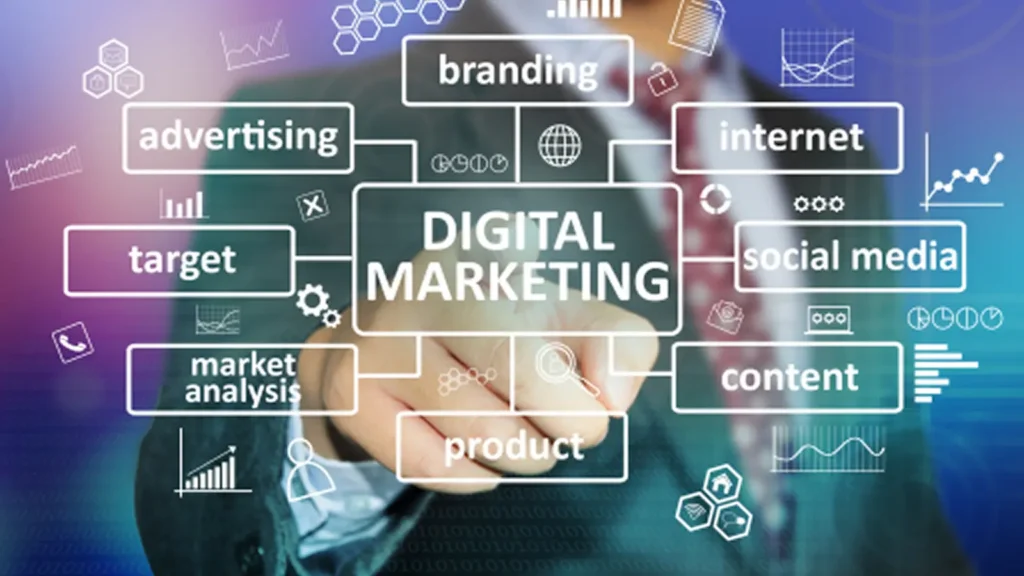
Introduction 1. Digital Marketing Strategies To Drive More Sales for Car Dealers 2. Why Digital Marketing for Car Dealerships Matters 3. Best Car Dealer Marketing Strategies 4. How Automotive Digital Advertising Works 5.Local SEO for Car Dealerships: The Secret to Local Sales 6. Social Media Marketing for Car Dealers 7. Automotive Content Marketing: Build Trust and Generate Leads 8. How to Increase Dealership Website Traffic 9. Conclusion Digital Marketing Strategies To Drive More Sales for Car Dealers Imagine this: nearly every single person who walks into your dealership has already spent hours online researching cars, comparing prices, and reading reviews. In fact, 95% of car buyers start their journey online before ever contacting a dealership. That means if your dealership isn’t visible online, you’re missing out on almost every potential customer. The solution? Digital marketing for car dealerships is the key to reaching more buyers, building trust, and driving more sales. In this blog post, we’ll break down the most effective digital marketing strategies for car dealers, explain how each one works, and show you real-life examples of how these tactics have helped dealerships just like yours sell more cars. The Changing Car Buying Journey A decade ago, most car buyers would visit several dealerships in person before making a decision. Today, the process is almost entirely digital.Buyers research cars, compare prices, read reviews, and even watch video tours online before ever stepping into a showroom. This shift means that car dealer marketing strategies must focus on digital channels to stay competitive. Why Dealerships Struggle Online Low website traffic: Not enough people are visiting your website. Poor online visibility: Your dealership doesn’t show up in search results. Few leads: You’re not getting enough people interested in buying. Outdated marketing: Relying too much on traditional advertising like newspapers, radio, and billboards. These challenges can make it hard to compete, especially in crowded markets. But with the right automotive digital advertising and local SEO for car dealerships, you can overcome these hurdles and drive more sales. Why Digital Marketing for Car Dealerships Matters As we’ve already seen, almost every car buyer starts their search online. They look at reviews, compare prices, and check out different models before ever contacting a dealership. If you’re not online, you’re invisible to these buyers. Digital marketing for car dealerships helps you get found, build trust, and guide buyers to your showroom. It’s not just about being online—it’s about being visible, trustworthy, and engaging. Best Car Dealer Marketing Strategies Let’s dive into some of the best car dealer marketing strategies that actually work: Know Your Audience The first step is to understand who is looking for cars in your area. What models are they interested in? What are their buying habits? Use data and analytics to get insights into your audience. This will help you create personalized messages that really connect with buyers. Personalize Your Messages Once you know your audience, you can tailor your marketing to their needs. For example, if you know a lot of people in your area are looking for SUVs, focus your marketing on your SUV inventory. Use language and images that appeal to your target buyers. Use Online Ads Online ads are a powerful way to reach buyers who are ready to make a decision. Automotive digital advertising includes pay-per-click (PPC) ads, social media ads, and display ads. These ads help you target specific groups of people, like those interested in buying a new car or those searching for a specific model. How Automotive Digital Advertising Works Automotive digital advertising is all about putting your dealership in front of the right people at the right time. Here’s how it works: Pay-Per-Click (PPC) Ads PPC ads are ads that show up at the top of Google when people search for car models or dealerships. You only pay when someone clicks on your ad, so it’s a cost-effective way to get leads. These ads are great for online car sales marketing and dealership lead generation. Social Media Ads You can show your inventory on Facebook, Instagram, or TikTok. These platforms let you target specific groups of people, like those interested in buying a new car or those who have recently searched for cars online. Social media ads are a great way to build brand awareness and generate leads. Display Ads Display ads are banner ads that appear on websites and apps. They can help you reach a wider audience and keep your dealership top of mind for potential buyers. Local SEO for Car Dealerships: The Secret to Local Sales Local SEO for car dealerships is all about making sure your dealership appears in local search results. Here’s how to do it: Update Your Google My Business Profile Your Google My Business profile is the first thing people see when they search for car dealers near them. Make sure your address, phone number, and hours are correct. Add photos of your showroom and inventory to make your profile more appealing. Get Positive Reviews Ask happy customers to leave reviews on Google. Good reviews build trust and help your dealership rank higher in search results. Respond to reviews—both positive and negative—to show that you care about your customers. Use Local Keywords Add words like “best car dealer in Chandigarh” to your website and ads. This helps Google know you’re a local business and increases your chances of showing up in local searches. Social Media Marketing for Car Dealers: Connect with Buyers Social media marketing for car dealers is a powerful way to connect with buyers and build your brand. Here’s how to make the most of it Post Photos and Videos Show off your latest cars, special offers, and happy customers. People love seeing real photos and videos of your inventory and your team. Share Promotions Let people know about sales, discounts, or new arrivals. Social media is a great place to announce limited-time offers and events Engage with Your Audience Answer questions, reply to comments, and build relationships with potential buyers. The more
How to Create a High-Converting Dealership Landing Page
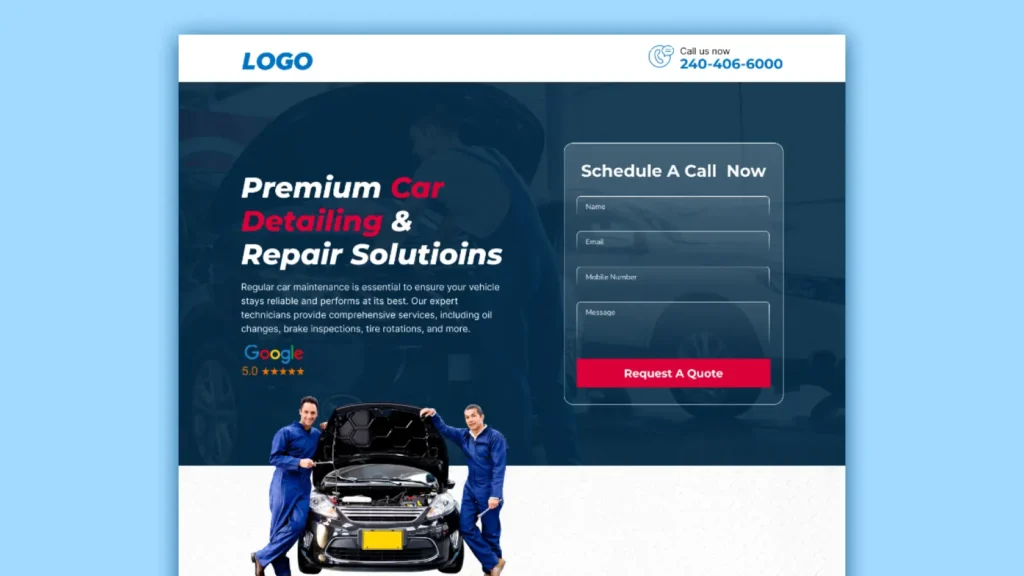
Introduction 1. How to Create a High-Converting Dealership Landing Page 2.Why Landing Pages Matter for Dealerships 3. Key Elements of a High-Converting Car Dealership Landing Page 4. Best Practices for Auto Dealer Landing Page Design and Layout 5. Car Dealership Landing Page Optimization and SEO Tips 6. Dealership Lead Generation Landing Page Conversion Tips 7.Dealership Landing Page Checklist 8. Conclusion How to Create a High-Converting Dealership Landing Page Imagine this: You’ve just launched a new ad campaign for your dealership. Hundreds of people visit your website—but only a handful actually book a test drive or request a quote. What’s going wrong? Here’s a surprising fact:The average bounce rate for automotive landing pages is over 75%. That means three out of four visitors leave without taking any action. But top-performing dealership landing pages convert at rates of 10% or higher—turning more visitors into real leads and sales. In this guide, you’ll learn how to build a high-converting car dealership landing page that gets results. We’ll cover everything from design and content to car dealership landing page optimization and best practices. What Is a High-Converting Dealership Landing Page? A high-converting dealership landing page is a single web page designed to get visitors to take a specific action—like booking a test drive, requesting a quote, or contacting your sales team. Unlike your main website, a dealership lead generation landing page is focused on one goal, making it easy for visitors to know what to do next. The best automotive landing pages are clear, visually appealing, and easy to use. They answer common questions, build trust, and guide visitors toward your main call-to-action. With the right approach, your dealership landing page can become a powerful tool for generating leads and sales. Many dealerships face the same problems when it comes to their landing pages: Low conversion rates: Most visitors leave without taking action. High bounce rates: The bounce rate for landing pages is typically 60–90%, meaning most people leave quickly. Confusing or cluttered design: If your auto dealer landing page is hard to navigate, visitors get frustrated and leave. Slow loading times: If your page takes too long to load, you’ll lose potential customers. Lack of clear value: If visitors don’t understand what you’re offering or why they should choose you, they won’t take the next step. The solution? Create a dealership landing page that is focused, easy to understand, and designed to convert. By following proven car dealership landing page best practices, you can turn more visitors into leads and customers. Why Landing Pages Matter for Dealerships Landing pages are essential for dealerships because they help you target specific audiences and offers. For example, you might create an automotive. landing page for a special promotion on new SUVs, or for customers interested in used cars. By focusing on one offer, you make it easier for visitors to understand your message and take action. A good dealership landing page can also help you track the success of your marketing campaigns. You’ll know exactly how many people visited your page and how many took the desired action. Key Elements of a High-Converting Car Dealership Landing Page 1. Clear Headline and Hero Image Your headline should grab attention and clearly state your offer. For example: “Find Your Perfect Car Today—Exclusive Deals on New SUVs!” Pair your headline with a high-quality hero image, such as a featured vehicle or a welcoming dealership photo. Tip: Use bold, easy-to-read fonts, and make sure your image is relevant to your dealership and offer landing pages for special promotions on new SUVs or for customers interested in used cars. By focusing on one offer, you make it easier for visitors to understand your message and take action. A good dealership landing page can also help you track the success of your marketing campaigns. You’ll know exactly how many people visited your page and how many took the desired action. 2. Strong Value Proposition Tell visitors why they should choose your dealership.“Get the best price on your next car, with no hidden fees and friendly service.”Highlight benefits like competitive pricing, quality vehicles, special offers, or excellent customer service. Tip: Use bullet points or short sentences to make your value proposition easy to scan. 3. Engaging, Benefit-Focused Copy Write copy that speaks directly to your audience’s needs. Focus on the benefits of your vehicles and services. Use real-life scenarios and testimonials to build trust. Tip: Use phrases like “Drive Home Your Dream Car Today” or “Schedule a Test Drive in Minutes.” 4. High-Quality Visuals Showcase your vehicles, staff, and facilities with professional images and videos. Virtual walkarounds and test drive videos can provide an immersive experience for potential buyers. Tip: Include alt text for images to improve your car dealership landing page optimization. 5. Clear and Compelling Call-to-Action (CTA) Your CTA should stand out and tell visitors exactly what to do next. Use action-oriented language like “Shop Now,” “Get a Quote,” or “Schedule a Test Drive.” Tip: Place your CTA above the fold and use contrasting colors to make it pop. 6. Easy-to-Find Contact Information Make it simple for visitors to get in touch. Display your address, phone number, email, and a contact form in visible locations, such as the header or footer. Tip: Add a click-to-call button for mobile users. Best Practices for Auto Dealer Landing Page Design and Layout 1. Clean, Organized Layout A cluttered landing page confuses visitors and makes it hard for them to find what they need. Keep your design simple, with plenty of white space and clear sections for your offer, benefits, and CTA. 2. Mobile Responsiveness More than half of all website traffic comes from mobile devices. Make sure your landing page looks great and works smoothly on phones and tablets. Test it on different devices to catch any issues. 3. Intuitive Navigation Visitors should know exactly where to click to take the next step. Use clear menus, buttons, and links. Avoid too many options—focus on your main goal. 4. Page Speed Optimization Slow pages drive visitors away. Compress images, minimize code,
How Car Dealerships Can Use Social Media to boost engagement & Sales
Introduction 1. How Car Dealerships Can Use Social Media to boost engagement & Sales 2. Why Social Media Matters for Car Dealerships 3. Best Social Media Platforms for Car Dealerships 4. Creative Social Media Content Ideas 5. How to Boost Engagement for Car Dealerships 6. Increase Car Dealership Sales with Social Media 7. Car Dealership Influencer Marketing 8. Social Media Lead Generation for Car Dealerships 9. Best Practices for Social Media Success 10. Conclusion How Car Dealerships Can Use Social Media to boost engagement & Sales Did you know that 90% of car buyers use social media at least once a month, and over half say they have discovered a dealership or a new car model through their feeds? That’s right—social media is not just for sharing photos and updates. For car dealerships, it’s a powerful tool to boost engagement, increase sales, and bring more customers through your doors. Social Media Strategies for Car Dealerships Social media strategies for car dealerships have become essential in today’s digital world. With millions of potential buyers scrolling through their favorite platforms every day, dealerships that use social media effectively can stand out, build trust, and create lasting relationships with customers. Whether you’re looking to boost engagement for car dealerships, increase car dealership sales with social media, or simply bring more customers in, the right approach can make all the difference. Common Challenges for Car Dealerships Many car dealerships face common challenges when it comes to attracting and retaining customers: Difficulty standing out: With so many dealerships online, it’s tough to catch the attention of potential buyers Low engagement: Posts that don’t connect with the audience get lost in the noise. Missed opportunities: Without a strong social media presence, dealerships miss out on leads and sales. Hard to build trust: Customers want to see real people, real cars, and real experiences before they buy. By using creative and data-driven social media strategies for car dealerships, you can overcome these challenges. Social media helps you showcase your inventory, connect with your community, and turn followers into loyal customers. A dealership in Chicago started using a mix of video marketing, live Q&A sessions, and influencer partnerships on Instagram and Facebook. Within six months, they saw a 35% increase in website traffic and a 20% boost in showroom visits. Their social media lead generation for car dealerships became a key driver of new business. Why Social Media Matters for Car Dealership Social media is where your customers spend their time. It’s where they discover new cars, read reviews, and connect with brands they trust. By being active and engaging on social media, you can: Reach more local buyers (supporting your local SEO for car dealerships strategy). Build brand awareness and loyalty. Showcase your inventory and promotions. Respond to customer questions and feedback in real time. Social media is not just about posting—it’s about creating a community around your dealership. Best Social Media Platforms for Car Dealerships Not all platforms are the same. Here’s where you should focus your efforts: Facebook: Great for targeted ads, community building, and local promotions. Over 90% of your customers are likely here. Instagram: Perfect for visual content, stories, reels, and influencer partnerships. TikTok: Ideal for short, fun videos and reaching younger audiences. YouTube: Best for in-depth reviews, walkarounds, and how-to videos. LinkedIn: Useful for B2B sales and networking. A strong car dealership Facebook Instagram strategy can help you reach the right people at the right time. Creative Social Media Content Ideas To keep your audience engaged, try these car dealership social media content ideas: Video-first marketing: Short videos of new arrivals, test drives, and customer testimonials. Live Q&A sessions: Answer common questions about financing, maintenance, or new models. Behind-the-scenes content: Show your team, your process, and your community involvement. Interactive polls and quizzes: Ask your audience what they want to see or learn about. User-generated content: Share posts from happy customers who tag your dealership. Special offers and promotions: Highlight discounts, trade-in deals, and limited-time offers. How to Boost Engagement for Car Dealerships Engagement is key to building trust and loyalty. Here’s how to boost engagement for car dealerships: Respond to comments and messages quickly Ask questions and encourage conversation Run contests and giveaways Share customer stories and reviews Post regularly and consistently Remember, engagement is a two-way street. The more you interact, the more your audience will connect with your brand. Increase Car Dealership Sales with Social Media Social media isn’t just for likes and shares—it can directly increase car dealership sales: Targeted advertising: Use Facebook and Instagram ads to reach people interested in buying a car in your area. Remarketing: Show ads to people who have visited your website or shown interest in your inventory. Lead generation: Use lead forms and chatbots to capture contact information from interested buyers. Showcase inventory: Post high-quality photos and videos of your cars, highlighting special features and promotions. By combining these tactics, you can turn social media followers into showroom visitors and buyers. Car Dealership Influencer Marketing Influencer marketing is a powerful way to reach new audiences. Partner with local influencers, car enthusiasts, or bloggers to: Showcase your vehicles in real-life settings Share honest reviews and experiences Reach followers who trust the influencer’s recommendations This approach adds authenticity and can drive traffic to your dealership. Social Media Lead Generation for Car Dealerships Social media is a goldmine for leads. Here’s how to generate more: Use lead ads on Facebook and Instagram. Add contact forms and chatbots to your pages. Promote special offers and test drive opportunities. Encourage visitors to message or call your dealership. The easier you make it for people to connect with you, the more leads you’ll generate. Best Practices for Social Media Success Set clear goals: Know what you want to achieve with your social media strategy. Plan your content: Use a content calendar to stay organized and consistent. Track your results: Use analytics tools to see what’s working and what’s not. Stay up to date: Follow trends and adapt
How to Optimize Your Dealership Website for More Local Leads
Introduction 1. How to Optimize Your Dealership Website for More Local Leads 2. Why Local SEO Matters for Car Dealerships 3. How to Optimize Your Dealership Website for Local SEO 4. Best Practices for Car Dealership SEO 5. Easy-to-Follow Dealership Website SEO Checklist 6. Boosting Your Online Visibility for More Leads 7. Conclusion How to Optimize Your Dealership Website for More Local Leads 76% of people who search for a car dealership nearby on their phone will visit a business within 24 hours. That’s right—local searches are driving real, ready-to-buy customers straight to dealerships that show up first in results If your dealership website isn’t optimized for local SEO, you could be missing out on the best leads in your area. Local SEO for car dealershipsis all about making sure your business shows up when people search for phrases like “car dealership near me” or “SUV dealer in Chandigarh.”It’s not just about having a website—it’s about making your site easy to find, trustworthy, and helpful for local car buyers Many dealerships struggle to get noticed online. They might have a great inventory, but if their website doesn’t show up in local search results, potential customers never even know they exist. Some common pain points include: Low website traffic: Fewer people find your dealership online, so fewer come to your showroom. Losing leads to competitors: If your competitors are ranking higher in local search, you’re losing out on customers. Hard to build trust: Without reviews, clear information, and a mobile-friendly site, shoppers may not trust your dealership. The good news? You can fix these issues by optimizing your dealership website for local SEO. This means using the right keywords, updating your Google Business Profile, and making sure your site is easy to use on any device. A Ford dealer in Luton was being outranked by bigger national chains. After focusing on local SEO—like adding location pages, updating their Google Business Profile, and building local citations—they saw a 112% increase in Google Maps visits within just three months.That’s a lot more customers walking through their doors! Why Local SEO Matters for Car Dealerships Local SEO for car dealerships is essential because most car shoppers start their journey online, and most of these searches are local. When someone searches for “car dealership near me,” you want your business to show up in the top results—not your competitors. Local SEO helps you: Rank higher in Google Maps and local search results. Get more phone calls and showroom visits. Build trust with local customers through reviews and clear information. Outrank big national sites in your area. Recent studies show that 90% of buyers search online before visiting a dealership, and most of these searches are for local businesses. If your dealership doesn’t rank in the local “3-pack” (the top three listings in Google Maps), you’re invisible to most buyers. That’s why local SEO is not just an option—it’s a necessity for any dealership that wants to grow in today’s digital marketplace. Local SEO is about more than just keywords. It’s about creating a complete online presence that makes it easy for customers to find, trust, and choose your dealership over others. This includes optimizing your Google Business Profile, building local citations, and publishing helpful, localized content. How to Optimize Your Dealership Website for Local SEO To attract more local leads, you need to optimize your dealership website for local search. Here are the most effective steps you can take: Update Your Google Business Profile:Your Google Business Profile (formerly Google My Business) is your dealership’s digital storefront. It’s often the first thing potential customers see when they search for a dealership nearby. Make sure your profile is complete and up to date with: Your dealership’s name, address, and phone number (NAP). Correct business hours. High-quality photos of your showroom, inventory, and team. A compelling description of your services. Regular updates about promotions or events. Encourage satisfied customers to leave reviews. Positive reviews not only build trust but also help your dealership rank higher in local search results. Use Local Keywords Local keywords are the phrases people use when searching for a dealership in their area. For examples: “Car dealership in Chandigarh” “Best SUV dealer near me” “Used cars in Tri-city” Include these keywords naturally in your website content, page titles, meta descriptions, and even in your blog posts. This helps search engines understand that your dealership is relevant to local searchers Create Location Pages If your dealership serves multiple cities or neighborhoods, create a dedicated landing page for each area. For example, you might have a page for “Chandigarh Car Dealership,” “Mohali Car Dealership,” and so on. Each page should include: Local keywords Information about the area Directions and a map Testimonials from local customers This approach helps you rank for local searches in each location and gives visitors the most relevant information. Get Local Citations: A “citation” is any online mention of your dealership’s name, address, and phone number (NAP). Citations help Google verify your business and improve your local search rankings. List your dealership on: Google Maps Yelp Local business directories Industry-specific sites Make sure your NAP information is consistent across all listings. Inconsistencies can confuse search engines and hurt your rankings. Build a Mobile-Friendly Website Most local searches happen on mobile devices. If your website isn’t mobile-friendly, you’ll lose potential customers before they even contact you. Make sure your site: Loads quickly on smartphones and tablets Is easy to navigate on small screens Has large, clickable buttons and clear calls to action A mobile-friendly website not only improves user experience but also helps your dealership rank higher in local search results. Publish Helpful, Local Content Content is king in the world of SEO. Publish blog posts, guides, and videos that answer common questions from local car buyers. Examples include: “How to Find a Budget-Friendly Car in Chandigarh” “What to Look for in a Used Car in Mohali” “The Best Family Cars for Chandigarh Roads” This type of content attracts local traffic, builds